
Manufacturing In Delhi
Stainless Steel Utensil Manufacturing In Delhi
Delhi is well known as one of the main centers of India for the manufacturing of stainless steel utensils. The city’s manufacturing firms produce humble katoris, thalis, and modern cookware that are easy to use with induction stoves and feed the kitchens of India and sell to the world. This growth is no fluke, but a decades-long legacy of various craftsmen, sufficient raw material sources, a skilled workforce, and an array of supporting industries that all combine to make the city into a natural habitat of stainless steel making.
This guide will look closely at the importance of stainless steel utensil manufacturing in Delhi, how it actually works, what manufacturers adhere to, and what buyers (retailers, distributors, or bulk institutional buyers) need to know before ordering.
Why Delhi Is a Major Hub for Stainless Steel Utensils
Delhi and its surrounding National Capital Region (NCR), including areas like Wazirpur, Mangolpuri, Faridabad, and Ghaziabad, host thousands of small, medium, and large manufacturing units dedicated to steel utensils and kitchenware. Several factors explain this concentration:
- Proximity to raw material suppliers: Delhi is close to major steel-producing belts, making sourcing of stainless steel sheets, coils, and circles faster and more cost-effective.
- Skilled labour pool: Generations of artisans and factory workers in Delhi have developed deep expertise in metal spinning, deep drawing, and polishing techniques specific to utensil making.
- Established ancillary industries: Buffing, electroplating, packaging, and die-making units operate alongside utensil factories, shortening production cycles.
- Strong logistics network: Delhi’s road, rail, and air connectivity make it easy to distribute finished goods domestically and to ship containers for export through nearby ports and airports.
- Long-standing trade relationships: Many Delhi-based manufacturers have supplied Indian and international retailers for decades, building trust and repeat business.
The Stainless Steel Utensil Manufacturing Process
There are several specific steps to make in order to create a final stainless steel product, be it a bowl or a multiple layer cook pot. The process differs slightly depending on the product, but most manufacturing units based in Delhi have a similar procedure.
1. Raw Material Selection
The manufacturing process starts with the selection of the right grade of stainless steel, which is usually SS 202, SS 304, or SS 316. The widely used and popular grade 304 is excellent in terms of its corrosion and food-safety properties, making it an ideal choice for cookware and dinnerware applications; the more economical grade 202 is used for everyday items such as utensils. Steel is usually delivered at the factory in coils, sheets, or circles of a certain thickness (gauge).
2. Cutting and Blanking
The steel sheets are cut into circular blanks of the required diameter using hydraulic or mechanical cutting presses. Care must be taken with the precision point, as any inaccuracies here can affect the contour and final appearance of the product.
3. Deep Drawing or Spinning
Once the cut blanks are formed, a couple of main processes are used to shape them. Deep drawing is done in a one or more strokes by a hydraulic press and die to make a flat blank into a 3D shape like a bowl, a tumbler or a cooking pot. Metal spinning, however, uses a lathe to spin the blank around a mould and slowly shape the metal into the desired form, which is a process commonly employed in manufacturing thalis, plates, and lids with a traditional finish.
4. Trimming and Shaping
Once formed, any excess material is cut off around the edges, and the shape is further contoured, decorated, or beaded with rims, handles, or any other desired decoration.
5. Welding and Assembly
Spot welding or TIG welding is employed to join parts securely and provide a smooth, food safe surface for utensils that have multiple parts including pots with handles, lids and/or induction bases.
6. Surface Finishing and Polishing
This stage can have a significant impact on the product’s looks and market value. The utensils are usually buffed and polished several times with abrasive belts and polishing compounds until the desired bright, mirror-like, or satin finish is attained, depending upon the specification. Others may be matte, sand blasted or hammered for a more upscale appearance.
7. Quality Inspection
Good manufacturers also make sure that they test their products to comply with the food industry standard, and, if applicable, to be compatible with induction.
8. Packaging and Dispatch
Hearty finished utensils are put through a washing, wrapping and packing operation before they are transported to domestic distributors or export shippingmen, sometimes in bulk carts that are intended for wholesale markets, or sometimes in consumer-ready packaging for DTC brands.
Common Products Manufactured in Delhi
Delhi’s manufacturing units produce a wide and diverse range of stainless steel items, including:
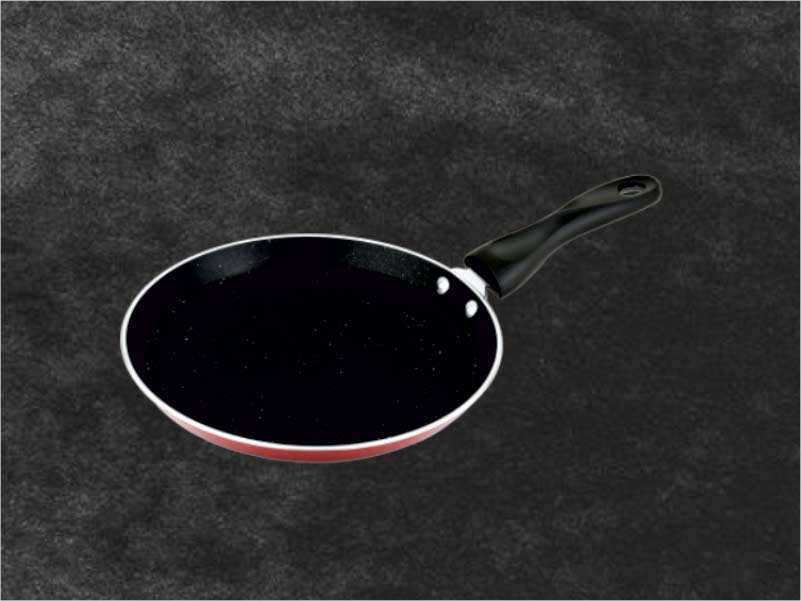
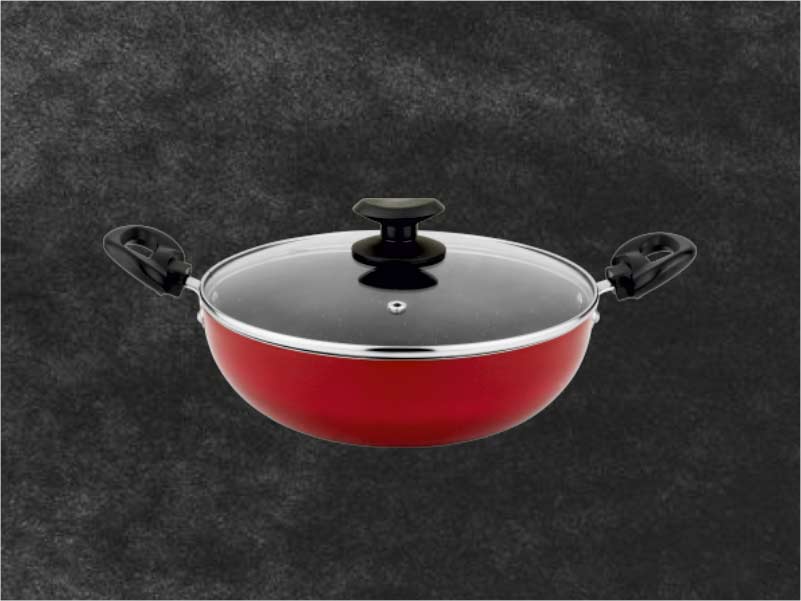
- Kitchen cookware: kadhais, pressure cookers, saucepans, tawas, and induction-base pots
- Dining and serving ware: thalis, plates, bowls, katoris, serving spoons, and trays
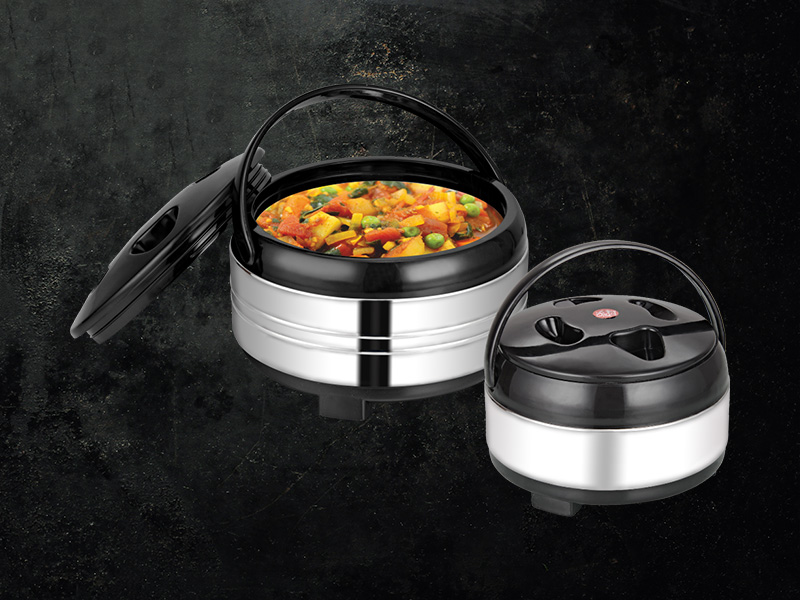
- Storage containers: canisters, dabbas, and lunch boxes
- Bar and beverage ware: tumblers, glasses, and jugs
- Hotel and catering equipment: chafing dishes, gastronorm pans, and bulk serving containers
- Cutlery: spoons, forks, and knives in various finishes
Quality Standards and Certifications
Because utensils come into direct contact with food, quality control is critical. Established manufacturers in Delhi typically adhere to a combination of the following standards and practices:
- Use of food-grade stainless steel (commonly SS 304) for items in direct food contact
- Compliance with BIS (Bureau of Indian Standards) specifications where applicable
- ISO 9001 certified quality management systems in larger factories
- Nickel and chromium content testing to confirm corrosion resistance
- Rigorous checks for burrs, sharp edges, and weld quality to ensure user safety
Buyers sourcing in bulk — particularly for export or hospitality use — should always request test certificates and, where possible, arrange third-party quality inspections before shipment.
Choosing the Right Manufacturer in Delhi
With so many manufacturers operating in and around Delhi, selecting the right partner requires some diligence. Consider the following factors:
- Production capacity: Ensure the unit can comfortably handle your order volume and timelines, especially during peak seasons.
- Machinery and technology: Factories with modern hydraulic presses, CNC spinning lathes, and automated polishing lines tend to offer more consistent quality.
- Customisation ability: If you need specific dimensions, branding, or finishes, confirm the manufacturer’s design and tooling capabilities.
- Export experience: For international buyers, a manufacturer familiar with export documentation, packaging standards, and container loading is a major advantage.
- Sample and reference checks: Always request product samples and, if possible, speak with existing clients before committing to a large order.
Domestic Demand and Export Potential
The stainless steel kitchenware market in India is growing exponentially as the urbanization, an increasing number of upscale lifestyles have ensured that people are not willing to compromise on their kitchenware due to high prices or lead involved in using non-stainless steel items. Delhi-based manufacturers serve this demand not only domestically but also export steel cutlery on the high end to the Middle East, Africa, Europe, and North America, where the Indian steel articles have got more craftsmanships and are competitively priced.
Conclusion
The stainless steel kitchenware market in India is growing exponentially as the urbanization, an increasing number of upscale lifestyles have ensured that people are not willing to compromise on their kitchenware due to high prices or lead involved in using non-stainless steel items. Delhi-based manufacturers serve this demand not only domestically but also export steel cutlery on the high end to the Middle East, Africa, Europe, and North America, where the Indian steel articles have got more craftsmanships and are competitively priced.
Frequently Asked Questions (FAQs)
1. Which grade of stainless steel is best for kitchen utensils?
Stocky 304 tends to offer the best attributes for cookware and dinnerware due to its corrosion resistance, food safety and stability. SS 202 is an economical option that is used for the majority of everyday items that do not necessarily need to be used for long periods of time.
2. Where in Delhi are most stainless steel utensil manufacturers located?
Steel processing and utensil-making industry is concentrated in other business centres like Wazirpur, Mangolpuri, Narela, and other neighbouring NCR, like Faridabad and Ghaziabad.
3. Are Delhi-manufactured utensils suitable for export?
Yes. Delhi’s manufacturers are experienced in exporting products to international markets like the Middle East, Africa, Europe, and North America and understand the international packaging, labelling and documentation requirements.
4. How can I verify the quality of stainless steel utensils before placing a bulk order?
Request material test certificates confirming the steel grade, ask for product samples, check for ISO 9001 or BIS compliance where applicable, and consider arranging a third-party quality inspection before the goods are shipped.
5. Can manufacturers produce custom designs or branded utensils?
Most established manufacturers offer customisation options, including specific dimensions, engraved or embossed branding, custom finishes, and packaging tailored to a client’s specifications, though tooling costs may apply for new designs.

SteelCraft Utensils, backed by SK360 World, crafts durable, stainless steel cookware with modern, stylish design.
Quick Links
Product Categories
© 2026 SK 360 WORLD PVT. LTD. All Rights Reserved.